 Converting Industrial Waste Streams into Valuable Resources with Scrap Recycling and Data Center Teardowns in Bridgeport
Within todays manufacturing and infrastructure environments, organizations routinely create substantial amounts of waste that recycling programs can recover and reuse. When infrastructure reaches the end of its lifecycle, you face the challenge of removing equipment, processing waste, and recovering valuable materials. Well-planned salvage operations combined with skilled dismantling processes enable businesses to recover profit from outdated machinery while safeguarding ecological systems. In areas such as Bridgeport, specialized recycling and decommissioning services help businesses handle everything from sheet metal scrap to complete data center infrastructure removal.
Exploring the Financial Worth Hidden in Scrap Metal Resources
While upgrading equipment or renovating industrial facilities, many organizations underestimate the importance of leftover metal materials. Yet a large portion of those abandoned materials contains metals that recycling industries highly value. Materials such as sheet metal scrap, cables, industrial frames, and building supports often enter recycling streams where processors convert them into reusable raw materials. When you transport materials to a Bridgeport Scrap Metal facility, you reduce landfill waste while recovering value from metals such as aluminum, copper, and steel. Processing yards analyze metal categories and measure their weight to calculate compensation based on current commodity markets. This process ensures that unused metal from construction projects, industrial operations, and facility upgrades becomes a resource rather than waste.
Typical Metal Components Present in Industrial Recycling Streams
Factories, warehouses, and infrastructure sites create diverse categories of recyclable metallic materials. You may encounter different categories depending on the type of infrastructure you remove or upgrade. Within industrial salvage operations, sheet metal scrap consistently ranks among the most frequently collected materials. Cooling system housings, industrial casings, and architectural coverings commonly generate large amounts of lightweight sheet metal during dismantling. Because of their adaptable structure, recyclers efficiently liquefy and remold these materials into new industrial components. Light iron scrap also appears frequently during facility dismantling. Items like shelving units, hardware supports, storage frames, and modest steel fixtures belong within the light iron scrap classification. Scrap processors divide these metals by category before running them through shredders and smelting equipment. Operations labeled as Junkyard Bridgeport CT typically welcome mixed materials collected during construction work, equipment dismantling, or industrial clearing. Organizing metals before delivery allows businesses to obtain higher returns during the recycling process.
Scrap Yards and Recycling Facilities
A Scrap Yard Bridgeport CT facility serves as the central hub for recycling metal materials from residential, commercial, and industrial sources. When you deliver scrap metal to a recycling yard, specialists inspect, categorize, and weigh each material type. Industrial recycling plants manage vast metal streams by shredding, sorting, and smelting materials into reusable forms. These facilities play a crucial role in reducing environmental impact because recycled metal requires far less energy than newly mined materials. You also benefit from faster disposal processes. Instead of transporting materials to landfills, you send them directly to recycling channels that convert scrap into reusable industrial resources.
Managing the Retirement of Digital Infrastructure Systems
Rapid advances in technology frequently push organizations to replace extensive digital infrastructure. During server upgrades, network replacements, or cooling system improvements, technicians must extract obsolete equipment with careful planning. The process known as data center decommissioning requires careful extraction of servers, racks, wiring networks, cooling technology, and power systems. Technicians plan the shutdown process carefully to protect sensitive information and prevent damage to surrounding infrastructure. Because digital facilities integrate numerous systems together, data center infrastructure removal requires careful planning and skilled execution. Technicians follow a precise removal sequence for power systems, cabling frameworks, cooling equipment, and rack installations to ensure secure operations. Organizations typically coordinate dismantling work with data center shutdown services so that the facility transitions smoothly from active use to removal.
Managing Large-Scale Data Center Teardowns
Complex data center teardown operations require far more planning than merely extracting servers and equipment. Extensive preparation, regulatory safety measures, and careful recycling practices guide these large dismantling efforts. Technicians disconnect electrical systems, remove networking hardware, dismantle racks, and separate recyclable metals from electronic waste. Structural materials such as steel frames and sheet metal panels enter recycling streams once technicians complete the dismantling process. Large facilities also generate data center refurbishment scrap when organizations upgrade systems without fully demolishing the building. Equipment like cooling assemblies, cabling frameworks, and server enclosures frequently turn into recyclable scrap during upgrades. Recycling these components reduces environmental impact while helping organizations recover value from outdated infrastructure.
Building a Sustainable Recycling Strategy
When you plan infrastructure upgrades or facility shutdowns, you should also plan for responsible waste management. A thoughtful recycling strategy directs valuable scrap materials toward proper recovery systems rather than landfill dumping. Collaboration with a Bridgeport Scrap Metal processor or a Scrap Yard Bridgeport CT location allows organizations to handle sheet metal scrap, light iron scrap, and additional materials effectively. These facilities transform discarded metal into valuable raw materials for manufacturing and construction. At the same time, specialized teams handle complex operations such as data center decommissioning, data center demolition, and data center infrastructure removal. Coordinated data center shutdown services ensure that technicians dismantle systems safely while recovering reusable materials. Through thoughtful planning, organizations turn industrial scrap into financial gain while encouraging sustainable material use. Responsible handling of scrap metals and infrastructure dismantling preserves natural resources while supporting long-term industrial productivity.
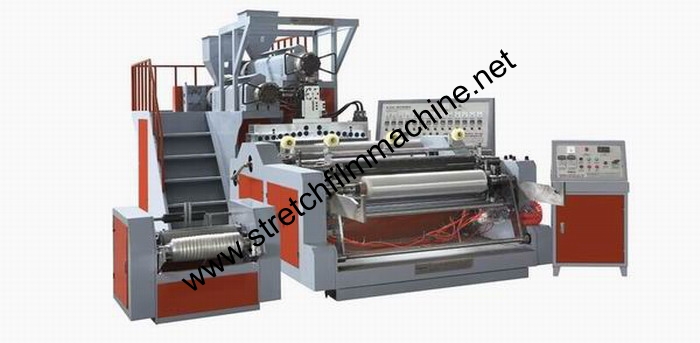
.jpg "Automatic Stretch Film Rewinding Machine")



 Different Ways to Keep Up With Mental Fatigue
  The justice system can be confusing and overwhelming, especially for individuals and families facing an unexpected arrest. In these challenging moments, the assistance of a bondsman becomes extremely valuable. A bondsman offers a vital service by helping people get out of jail while they prepare for legal proceedings. Throughout Indiana, including Marion County, Indianapolis, Hamilton County, and Fort Wayne, bondsmen help individuals reconnect with family, maintain jobs, and prepare their cases. The need for a Marion County bondsman or a Bondsman Indianapolis professional often arises at the most unexpected times, making fast and reliable service essential.